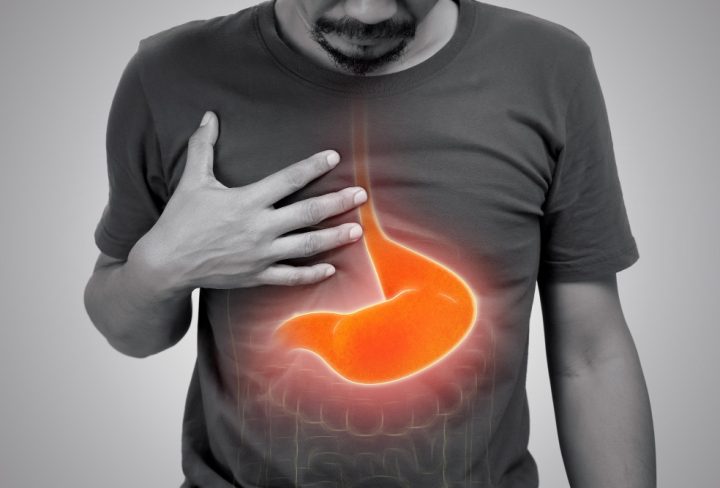
What is Acid Reflux (GERD)?
Acid reflux, also called GERD (Gastroesophageal Reflux Disease), happens when stomach acid flows back into your food pipe. This backflow can cause a burning feeling in your chest, known as heartburn. Many people experience acid reflux from time to time. However, if it occurs often, it may lead to more serious problems. According to the CDC, GERD affects millions of people worldwide.
Why Treating Acid Reflux Matters
It is important to treat acid reflux early. While mild symptoms may seem harmless, untreated acid reflux can cause lasting damage. Over time, repeated exposure to stomach acid can hurt your food pipe and other parts of your body. Because of this, knowing the risks of untreated acid reflux can help you take action sooner. Early treatment can prevent many long-term effects of GERD.
Common Complications of Untreated Acid Reflux
If acid reflux is not managed, several health issues may develop. Below are some of the most common GERD complications:
As you can see, the long-term effects of GERD can be serious. Therefore, it is important to manage symptoms early.
Warning Signs and When to Seek Help
Some symptoms mean you should see a doctor soon. For example, if you notice any of the following, do not wait:
Because these signs may point to serious GERD complications, early medical care is key. If you live in a city with access to a gastroenterologist, make an appointment as soon as possible.
Prevention and Lifestyle Tips
Thankfully, you can lower your risk of acid reflux complications with some simple steps. Try these tips to help manage GERD:
In addition, regular check-ups can help catch problems early. Your doctor may suggest medicine or other treatments if needed.
Conclusion & Next Steps
In summary, untreated acid reflux can lead to serious health problems. Because the risks of untreated acid reflux are high, early action is important. If you have ongoing symptoms, do not ignore them. Consult a gastroenterologist for personalized advice and early management of acid reflux complications.