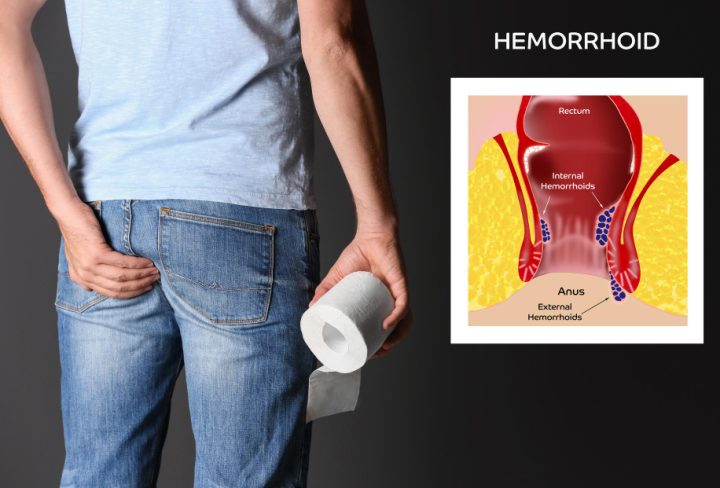
Many people feel embarrassed to talk about hemorrhoids, but they are very common. In fact, about half of adults will have them by age 50. The truth about hemorrhoids is that they can cause discomfort, but they are treatable. Understanding hemorrhoids helps you spot symptoms early and seek the right care. This blog will explain what hemorrhoids are, their symptoms, causes, and how you can manage or prevent them.
What Are Hemorrhoids?
Hemorrhoids, also known as piles, are swollen veins in the lower part of the rectum or anus. Sometimes, these veins stretch and become irritated. As a result, you may feel pain or notice bleeding. Hemorrhoids can be inside the rectum (internal) or under the skin around the anus (external). Both types can cause discomfort, but external hemorrhoids are more likely to hurt.
Common Symptoms of Hemorrhoids
Many people with hemorrhoids notice symptoms during bowel movements. However, some may not feel anything at all. Common signs include:
Sometimes, symptoms can be mild. But if you notice blood or severe pain, it is important to pay attention.
Causes and Risk Factors
Hemorrhoids develop when there is increased pressure in the lower rectum. This pressure can stretch the veins and cause them to swell. Several factors can raise your risk, such as:
In the US and UK, diets low in fiber and sedentary lifestyles can increase the risk of piles.
How Hemorrhoids Are Diagnosed
Doctors can often diagnose hemorrhoids by asking about your symptoms and doing a physical exam. Sometimes, they may look at the area around your anus. For internal hemorrhoids, a gentle exam with a gloved finger or a small tool may be needed. In some cases, your doctor might suggest more tests to rule out other causes of rectal bleeding, such as colon cancer. These tests may include a colonoscopy or sigmoidoscopy.
Effective Treatment Options
Most hemorrhoids improve with simple treatments. However, some cases may need medical help. Common treatment options include:
Home remedies for hemorrhoids, like using moist wipes and avoiding harsh toilet paper, can also help.
Lifestyle Tips for Managing Hemorrhoids
Simple changes can make a big difference. For example, you can:
With these habits, you can manage symptoms and prevent piles from getting worse.
Prevention Strategies
Preventing hemorrhoids is possible with a few healthy habits. Try these tips:
By following these steps, you can lower your risk of developing hemorrhoids.
When to See a Doctor
Sometimes, hemorrhoids can cause more serious problems. You should see a doctor if you:
Early care can help prevent complications and rule out other health issues.
For more information, you can visit trusted sources like the CDC or the National Institutes of Health. They provide up-to-date facts about hemorrhoids and their treatment.
If you have concerns about piles or rectal bleeding, consult a healthcare specialist for personalized advice on hemorrhoids.