What is Hepatitis B?
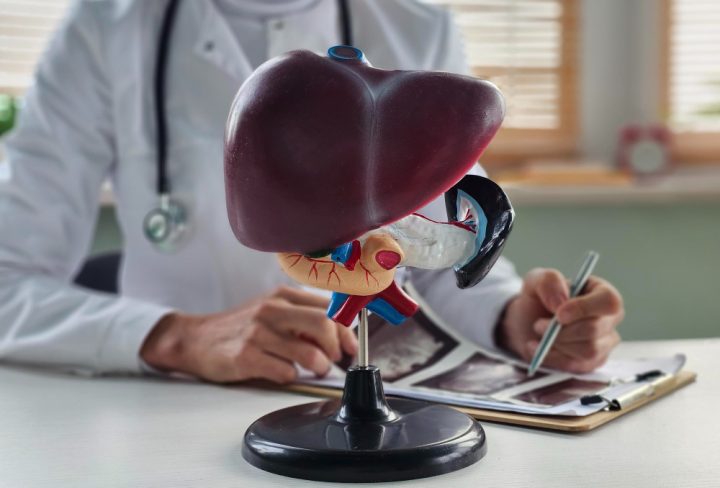
Hepatitis B is a liver infection caused by the hepatitis B virus (HBV). This virus can harm your liver and may lead to both short-term and long-term illness. In many cases, people do not know they have hepatitis B because symptoms can be mild or absent. However, early detection is important. According to the World Health Organization (WHO), millions of people worldwide live with hepatitis B. Because it spreads through blood and body fluids, knowing how to prevent hepatitis B is key.
Symptoms of Hepatitis B
Many people with hepatitis B do not notice symptoms at first. Still, some may develop signs within one to four months after exposure. For example, you might feel tired or have a mild fever. Other common hepatitis B symptoms include:
Sometimes, symptoms are very mild. But if you notice any of these signs, especially jaundice, you should seek medical help.
Causes and Risk Factors
Hepatitis B spreads when blood, semen, or other body fluids from an infected person enter your body. For instance, this can happen through:
Some people are at higher risk. These include healthcare workers, people with multiple sex partners, and those who travel to areas where hepatitis B is common. Even so, anyone can get hepatitis B if exposed.
How Hepatitis B is Diagnosed
Doctors use blood tests to check for hepatitis B. These tests look for the virus or signs that your body is fighting it. If you wonder how is hepatitis B diagnosed, here are the main steps:
Early diagnosis helps prevent liver damage. Therefore, if you think you have been exposed, ask your doctor about testing.
Treatment Options
Hepatitis B treatment options depend on how long you have had the infection. For many people with acute (short-term) hepatitis B, rest and fluids are enough. The body often clears the virus on its own. However, some people develop chronic (long-term) hepatitis B. In these cases, doctors may suggest:
Not everyone with chronic hepatitis B needs medicine right away. Still, regular check-ups are important. Your doctor will guide you on the best hepatitis B treatment options for your situation.
Prevention and Lifestyle Tips
Preventing hepatitis B is possible. The hepatitis B vaccine is safe and effective. In fact, it is the best way to protect yourself and your family. Here are some tips for preventing hepatitis B:
Besides these steps, living a healthy lifestyle helps your liver. For example, avoid alcohol and eat a balanced diet. If you have hepatitis B, follow your doctor’s advice closely.
When to See a Doctor
Sometimes, hepatitis B can cause serious liver problems. Therefore, you should see a doctor if you:
Early care can prevent complications. Even if you feel fine, regular check-ups are important if you have hepatitis B.
If you have questions or concerns about hepatitis B, consult a healthcare specialist for personalized advice on Hepatitis B.